






Posted At: Jul 20, 2026 - 335 Views
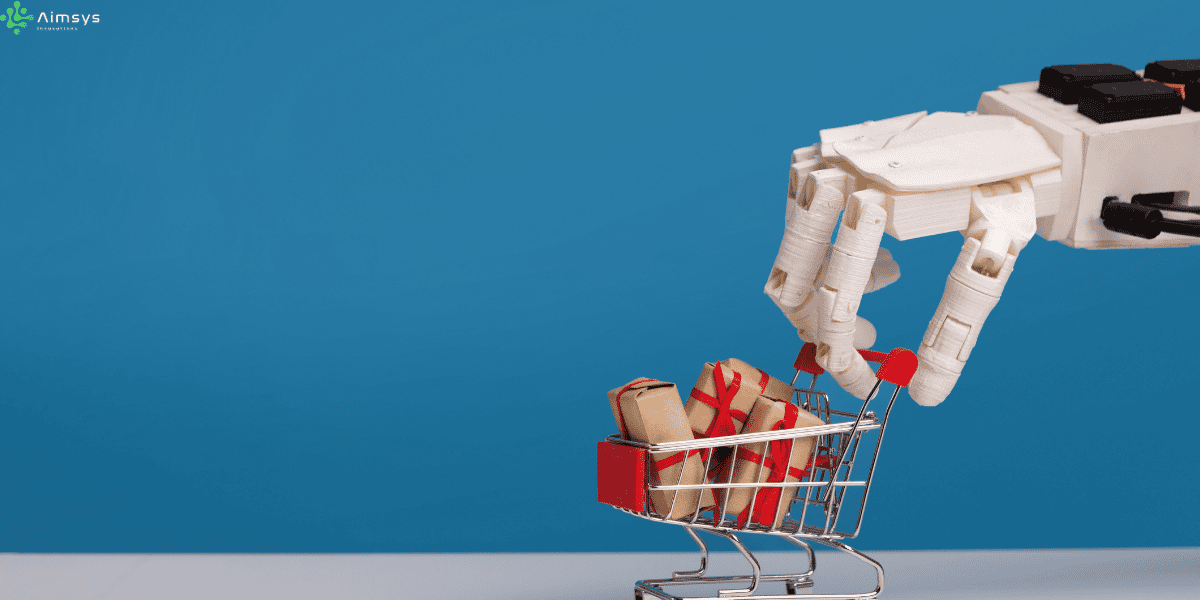
Online Marketplaces Have Changed—Customer Expectations Have Changed Even Faster
A customer opens an online marketplace looking for a new smartwatch. Within seconds, the platform recommends products that match their budget, style, and previous shopping habits. Before they leave, they're offered the right accessories, a limited-time discount, and same-day delivery options. It feels effortless—but behind that experience is Artificial Intelligence working in real time.
This is exactly how the next generation of online marketplaces is evolving. Success is no longer measured by the number of products listed on a platform. Instead, it's about how quickly customers find what they need, how confidently they make purchasing decisions, and how efficiently sellers manage their business. AI is helping marketplaces achieve all three.
Search That Understands Customers—Not Just Keywords
One of the biggest reasons customers leave a marketplace is because they can't find what they're looking for.
Traditional search engines depend on exact keywords, but today's shoppers use natural language. Someone searching for "a lightweight laptop for travel" doesn't want hundreds of unrelated results.
AI understands the intent behind the search. It considers customer preferences, browsing history, ratings, and buying patterns to display products that are actually relevant. Customers spend less time searching, sellers gain better visibility, and marketplaces improve conversion rates without changing their product catalog.
Every Customer Gets a Different Storefront
Walk into two physical stores, and you'll see the same shelves.
Visit a modern AI-powered marketplace, and every customer sees a different experience.
A returning shopper interested in fitness products might immediately see workout gear and health gadgets, while another customer shopping for home essentials is greeted with furniture, kitchen appliances, and personalized offers.
This level of personalization keeps customers engaged because the platform feels relevant instead of overwhelming. For marketplace businesses, that means longer browsing sessions, higher average order values, and stronger customer loyalty.
Helping Sellers Grow, Not Just Sell
Marketplace success depends on thousands of sellers making smart business decisions every day.
Instead of manually tracking sales trends or guessing which products will perform well next month, sellers can use AI-generated insights to make faster decisions.
They can identify fast-moving products, receive inventory recommendations, optimize pricing, and even generate product descriptions in minutes. Small businesses gain access to capabilities that were once available only to large enterprises.
When sellers perform better, the entire marketplace becomes stronger.
Pricing That Keeps Up With the Market
In online commerce, prices change quickly.
Running discounts too early affects profits, while reacting too late can cost valuable sales.
AI continuously evaluates demand, competitor pricing, customer behavior, and inventory levels before recommending pricing adjustments. Rather than relying on fixed strategies, marketplaces can respond to changing market conditions almost instantly.
The result is a pricing strategy that benefits both businesses and customers without constant manual intervention.
Trust Is Becoming a Competitive Advantage
Customers won't return to a marketplace they don't trust.
Fake reviews, fraudulent sellers, duplicate listings, and suspicious payments can damage a platform's reputation within days.
AI helps marketplaces identify unusual activity before it becomes a serious issue. It can flag suspicious transactions, detect fake accounts, and recognize unusual shopping patterns in real time.
For customers, this creates a safer shopping environment. For businesses, it protects brand reputation and reduces financial losses.
What the Future Looks Like
The next wave of marketplace innovation is already taking shape.
Customers will increasingly shop using voice commands, upload images instead of typing search queries, and receive recommendations from AI shopping assistants that understand their preferences better with every interaction.
At the same time, sellers will rely on AI to forecast demand, automate product content, and make faster business decisions based on real-time insights.
The marketplaces that embrace these capabilities today won't just improve customer experience—they'll redefine how digital commerce operates tomorrow.
Final Thoughts
AI is no longer an add-on for online marketplaces; it's becoming the technology that shapes every stage of the customer journey. From intelligent search and personalized recommendations to smarter pricing, seller support, and fraud prevention, AI is helping marketplaces deliver experiences that are faster, safer, and more relevant.
As competition continues to grow, businesses that invest in AI-driven marketplace strategies will be better positioned to attract customers, empower sellers, and build platforms that evolve with changing consumer expectations. In the next generation of online marketplaces, success won't belong to the platform with the most products—it will belong to the one that delivers the smartest experience.