






Posted At: Sep 25, 2026 - 37 Views
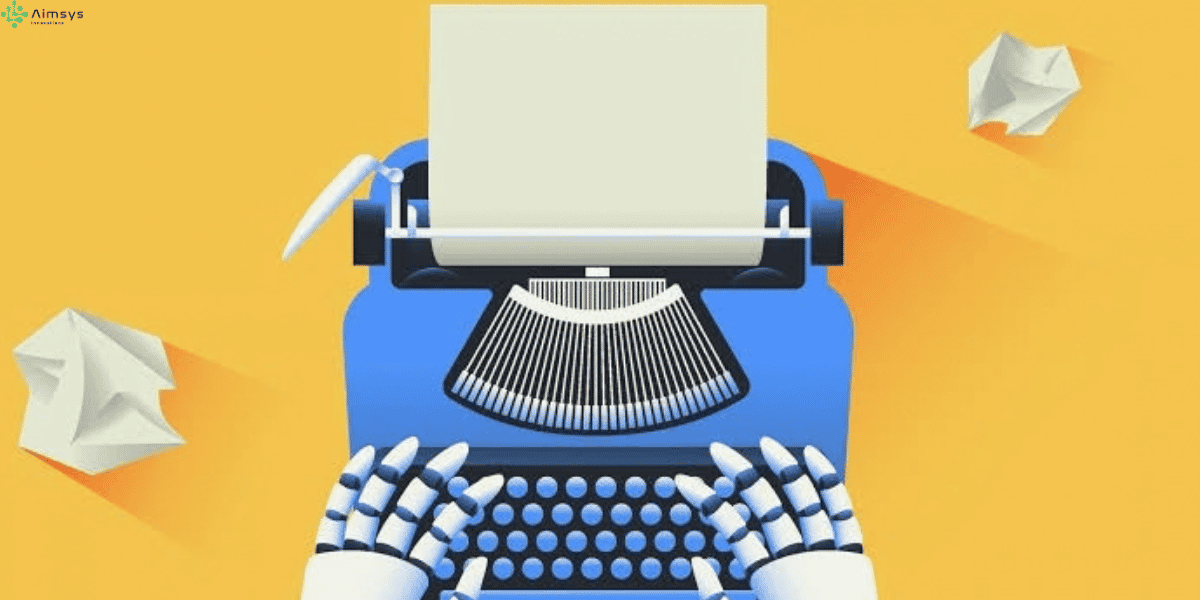
Short-form storytelling is entering a new era as audiences increasingly consume entertainment through short films, social-first videos, and microdramas designed for mobile and digital platforms. Unlike traditional long-form productions, these formats depend on fast storytelling, frequent content releases, strong emotional hooks, and the ability to capture attention within a limited amount of time. At the same time, creators and production companies are expected to produce more content while managing tight budgets and shorter production timelines. Artificial intelligence is beginning to address some of these challenges by supporting writers, directors, editors, designers, and production teams across different stages of the creative process. Rather than replacing creativity, AI can help reduce repetitive work, accelerate experimentation, and make it easier for teams to move from an initial idea to a finished piece of content.
The Rise of Short-Form Storytelling
Why Short Films and Microdramas Are Gaining Attention
Short-form entertainment has become an important part of the modern digital content ecosystem. Audiences can discover a story through a short video, watch an episode during a few minutes of free time, and continue following a narrative through a series of compact installments. Microdramas take this format even further by dividing stories into short episodes that are often designed around quick emotional developments, strong cliffhangers, and frequent engagement. This creates a different storytelling environment where creators have to establish characters, conflicts, and context much faster than they might in traditional film or television.
For production teams, this creates both an opportunity and a challenge. Shorter content can potentially require fewer resources than traditional productions, but creating compelling short-form stories still requires significant creative effort. Every scene needs to contribute to the narrative, dialogue needs to be efficient, and the audience needs a reason to continue watching. AI can support this process by helping creators develop ideas, explore story structures, generate visual references, and speed up several repetitive production activities without removing the creative direction of the human team.
AI Is Changing the Story Development Process
From an Idea to a Production-Ready Story
One of the earliest areas where AI can contribute is story development. Writers and producers can use AI tools to explore different concepts, character backgrounds, episode structures, dialogue possibilities, and narrative directions before committing to a final script. This can be particularly useful for microdramas, where a single concept may need to be developed across dozens of short episodes while maintaining continuity and audience interest.
Instead of spending significant time creating every possible variation manually, creative teams can use AI to quickly explore alternatives and identify promising directions. A writer can begin with a basic premise and use AI to brainstorm possible conflicts, character relationships, episode endings, or unexpected developments. The final creative decisions remain with the writer, but the process of exploring possibilities can become faster and more flexible. This allows teams to spend more time refining the strongest ideas rather than spending most of their time generating initial options.
Experimentation Becomes More Affordable
Short-form storytelling often depends on experimentation because creators cannot always predict which characters, storylines, themes, or formats will connect most effectively with audiences. Traditionally, experimenting with multiple concepts could require substantial time and resources. AI can lower some of the barriers associated with early experimentation by helping teams develop multiple story concepts, scripts, visual directions, and promotional ideas before committing to full production.
This does not mean every AI-generated idea will be useful. Human writers and producers still need to evaluate originality, emotional impact, audience relevance, and production feasibility. The advantage is that AI can increase the number of possibilities a creative team can explore within the same amount of time, making experimentation a more practical part of the storytelling process.
AI Can Reduce Production Friction
Supporting Pre-Production and Visual Planning
A large amount of creative work happens before filming begins. Storyboards, visual references, character concepts, location ideas, shot planning, and production discussions can take considerable time, especially when teams need to communicate a specific creative vision to multiple departments. AI can assist by helping teams create early visual concepts and references that communicate what a scene could look like before significant production resources are committed.
For directors, designers, and producers, these tools can make creative discussions more visual and efficient. Instead of explaining an idea only through written descriptions, teams can use AI-assisted visuals to explore different possibilities and decide which direction is most appropriate. The technology therefore becomes a communication and planning tool rather than simply a content-generation system.
Helping Smaller Teams Do More
Short films and microdramas are often created by smaller production teams that may not have access to the same resources as large studios. AI can help smaller teams handle certain tasks more efficiently, including concept development, visual exploration, editing assistance, promotional material, localization, and other supporting workflows. This does not eliminate the need for professional creative expertise, but it can reduce some of the operational friction that makes production difficult for smaller teams.
The result is a more flexible production environment in which creators can potentially attempt projects that previously required larger teams or longer timelines. AI can therefore contribute to the democratization of certain creative capabilities, allowing smaller teams to focus more of their resources on storytelling and creative direction.
AI Is Changing the Economics of Content Creation
Lowering the Cost of Creative Experimentation
One of the most important opportunities presented by AI is its potential to reduce the cost of experimentation. Producing a complete short film or a series of microdrama episodes still requires meaningful investment, but the early stages of developing and testing concepts can become more efficient with AI assistance. Creative teams can explore different scripts, characters, visual styles, and episode structures before making larger production commitments.
This can change the economics of decision-making. Instead of investing heavily in a small number of ideas from the beginning, production companies can explore a broader range of concepts and identify which ones deserve additional resources. The value of AI therefore comes not only from reducing the cost of individual production tasks but also from helping organizations make more informed creative investments.
Faster Production Can Increase Content Output
Digital audiences expect a consistent flow of new content, particularly on platforms where short-form videos and episodic storytelling are consumed frequently. Production teams therefore face pressure to maintain speed without compromising quality. AI can help accelerate repetitive parts of the workflow, allowing creators to focus their time on storytelling, performance, direction, editing decisions, and audience engagement.
For organizations producing multiple short-form projects, even small improvements across different stages of production can accumulate into meaningful efficiency gains. When AI is integrated thoughtfully, it can help teams increase their creative output without automatically requiring a proportional increase in staff or production resources.
Why Microdramas Could Benefit From AI
Managing Complex Episodic Storylines
Microdramas are particularly interesting because they combine short episodes with ongoing narratives. A story may contain dozens of episodes, each with its own hook and emotional development while still contributing to a larger storyline. Maintaining continuity across characters, locations, relationships, and plot points can become increasingly difficult as the number of episodes grows.
AI can assist creative teams by organizing story information, summarizing previous episodes, developing future episode outlines, and helping identify continuity issues. Writers and producers can use these capabilities as supporting tools while maintaining human control over the overall narrative. This can become especially valuable when production schedules are tight and teams need to develop multiple episodes simultaneously.
Creating More Opportunities for Creative Testing
Microdramas also provide opportunities to test different narrative approaches. Producers may want to explore different openings, character introductions, pacing strategies, or episode endings to understand what keeps audiences engaged. AI can help generate variations and supporting creative material more quickly, giving teams more options to evaluate before deciding what to take into production.
The important distinction is that AI does not determine which story is successful. Audience behavior, creative quality, cultural context, and human judgment remain essential. AI simply makes it easier to explore more possibilities within limited time and resources.
Personalization Could Become Part of Storytelling
Understanding What Audiences Respond To
AI can also support the analytical side of entertainment. Production companies can use data and AI-assisted analysis to understand patterns in audience engagement, such as which episodes receive stronger responses, where viewers stop watching, or which characters and themes generate greater interest. These insights can help creators make more informed decisions about future content.
For short-form entertainment, this type of intelligence can be particularly valuable because audiences often consume content quickly and generate large amounts of behavioral data. Understanding those patterns can help production teams refine storytelling strategies while avoiding decisions based purely on assumptions.
Adapting Content for Different Audiences
Another potential opportunity is localization and adaptation. A successful short-form story may have potential across different regions, languages, or audience segments, but adapting content manually for every market can require significant time and resources. AI can assist with translation, localization, subtitles, voice-related workflows, and content adaptation, while human professionals review the final output to ensure cultural and creative accuracy.
This could allow creators to expand the reach of short films and microdramas more efficiently while maintaining appropriate human oversight over the final content.
Human Creativity Still Drives the Story
AI Can Accelerate Creativity, But It Cannot Replace Creative Vision
Despite the growing capabilities of AI, storytelling remains fundamentally human. Audiences connect with characters because of emotion, conflict, relationships, cultural context, humor, vulnerability, and shared experiences. These elements require more than generating technically correct content. They require understanding what makes a story meaningful.
AI can generate ideas, variations, and supporting assets, but creative teams decide which ideas are worth pursuing. Writers shape characters and dialogue, directors define the emotional experience of a scene, actors bring characters to life, and editors determine pacing and rhythm. AI becomes most valuable when it supports these professionals rather than attempting to replace the creative decisions that give a story its identity.
Human Oversight Protects Quality
AI-assisted production also requires careful review. Generated content can sometimes be repetitive, inconsistent, inaccurate, or disconnected from the intended creative vision. If organizations focus only on producing content faster, they risk creating more content without creating better stories.
Human oversight is therefore essential throughout the workflow. Creative professionals need to review AI-assisted scripts, visuals, edits, translations, and other outputs to ensure that the final product meets the required creative and quality standards. The objective should be to combine AI's speed with human judgment rather than choosing one over the other.
The Challenges of AI-Powered Storytelling
Originality and Creative Differentiation
As more creators adopt similar AI tools, there is a possibility that short-form content could become more repetitive. If organizations rely heavily on automated generation without developing distinctive creative identities, audiences may encounter content that feels similar across different platforms.
This makes originality even more important. AI can help generate possibilities, but creative teams need to provide the vision, cultural understanding, storytelling style, and emotional perspective that make a project distinctive. The competitive advantage may therefore come from how creatively organizations use AI rather than simply whether they use it.
Copyright, Ownership, and Responsible Use
AI-powered storytelling also raises questions around intellectual property, ownership, likeness, voice, and the use of creative material in AI workflows. Production companies need clear policies around how AI tools are used, what assets can be introduced into these systems, and how generated material is reviewed before publication.
Responsible adoption requires organizations to consider these issues alongside productivity and cost. AI should become part of a controlled creative workflow rather than an uncontrolled shortcut.
Building an AI-Enabled Storytelling Workflow
Organizations do not need to transform their entire production process overnight. A more practical approach is to identify specific stages where AI can provide measurable value and gradually integrate the technology into those workflows. Story development, script exploration, visual planning, editing support, localization, promotional content, and audience analysis are potential areas where AI can reduce repetitive work or accelerate experimentation.
The key is to keep human professionals responsible for creative direction, editorial judgment, quality control, and final approval. AI can handle certain supporting tasks and generate alternatives, while humans remain responsible for deciding what ultimately reaches the audience. This approach allows production companies to gain efficiency without losing the creative identity of their projects.
The Future of Short-Form Entertainment
The combination of AI and short-form storytelling could create a more flexible entertainment ecosystem in which creators can develop, test, and produce ideas faster. Smaller teams may gain access to capabilities that previously required larger production resources, while established production companies may be able to experiment with more concepts and expand successful stories across different markets.
The biggest transformation may not be complete automation of filmmaking. Instead, AI could reduce the distance between an initial creative idea and a finished piece of entertainment. A concept that once required weeks of development and coordination may be explored much faster, allowing creators to focus their time on the aspects of storytelling that require human imagination and judgment.
Conclusion: Faster Production, More Creative Possibilities
AI is changing how short films and microdramas can be developed and produced by accelerating story exploration, supporting pre-production, reducing repetitive tasks, improving content workflows, and making creative experimentation more accessible. For production companies and independent creators, these capabilities can help address some of the biggest challenges of short-form entertainment: limited budgets, demanding production schedules, and the need to consistently develop engaging content.
However, the real opportunity is not simply to produce more videos at a lower cost. It is to create a more agile creative environment where teams can explore more ideas, iterate faster, understand audiences better, and bring compelling stories to screen with greater efficiency. The future of short-form storytelling will likely belong to creators who can combine the speed and scalability of AI with the emotion, originality, and creative judgment of humans.